A New Era in Regenerative Medicine? Neural Stem Cells Discovered Outside the Brain
For the first time, scientists have identified neural stem cells in peripheral organs of mice (lungs, tail, and limbs), challenging the assumption that they existed only in the central nervous system. If confirmed in humans, this would open an accessible pathway for treating neurodegenerative diseases.
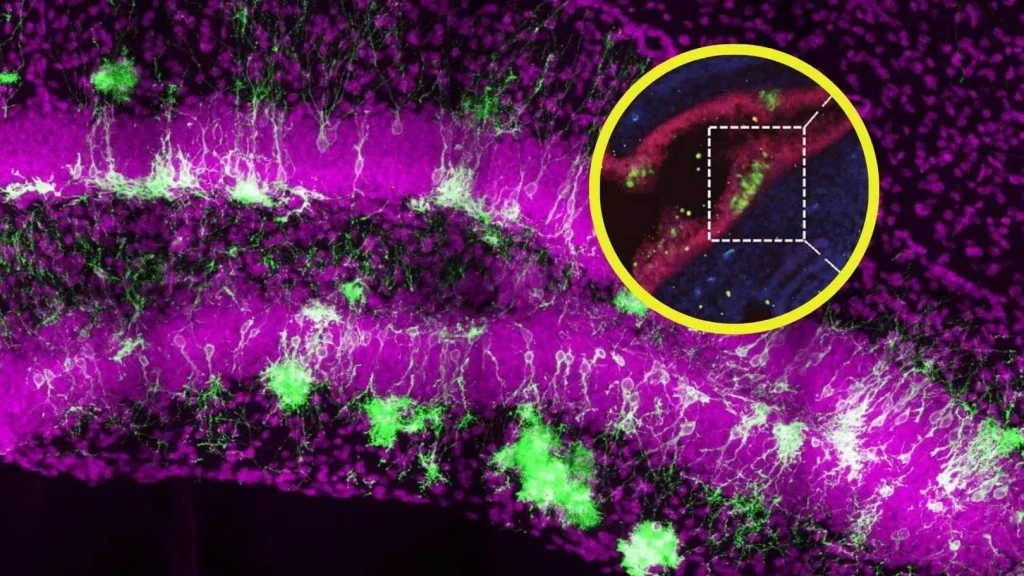
For the first time, scientists have identified neural stem cells in peripheral organs of mice, including the lungs, tail, and limbs. This finding, published in a scientific journal, challenges the long-held belief that these cells existed only in the central nervous system. (observatoriobioetica.org)
These newly identified cells, termed peripheral neural stem cells (pNSCs), share key characteristics with their brain-based counterparts: self-renewal capacity, the ability to differentiate into multiple nervous system cell types, and similar genetic profiles. Their location in more accessible tissues could facilitate their use in regenerative therapies. (muyinteresante.com, mpg.de)
The discovery traces back to a failed experiment conducted more than a decade ago, when researchers were attempting to replicate a study on the reprogramming of somatic cells through acid stress. Although the original experiment was discredited, subsequent observations revealed the presence of these stem cells in peripheral tissues.
If the existence of pNSCs in humans is confirmed, they could transform the treatment of neurodegenerative diseases such as Parkinson's and spinal cord injuries by providing an accessible source of stem cells for therapies. (neurosciencenews.com)
This advance not only broadens our understanding of neuroscience but also opens new possibilities in regenerative medicine. As research progresses, we may be standing at the threshold of a new era in the treatment of neurological diseases.