Energy Justice in Practice: When the Transition Benefits People
We measure megawatts, but not well-being. Energy justice plays out in household budgets, service reliability, and the air we breathe. Five indicators to make the transition not just green, but just.
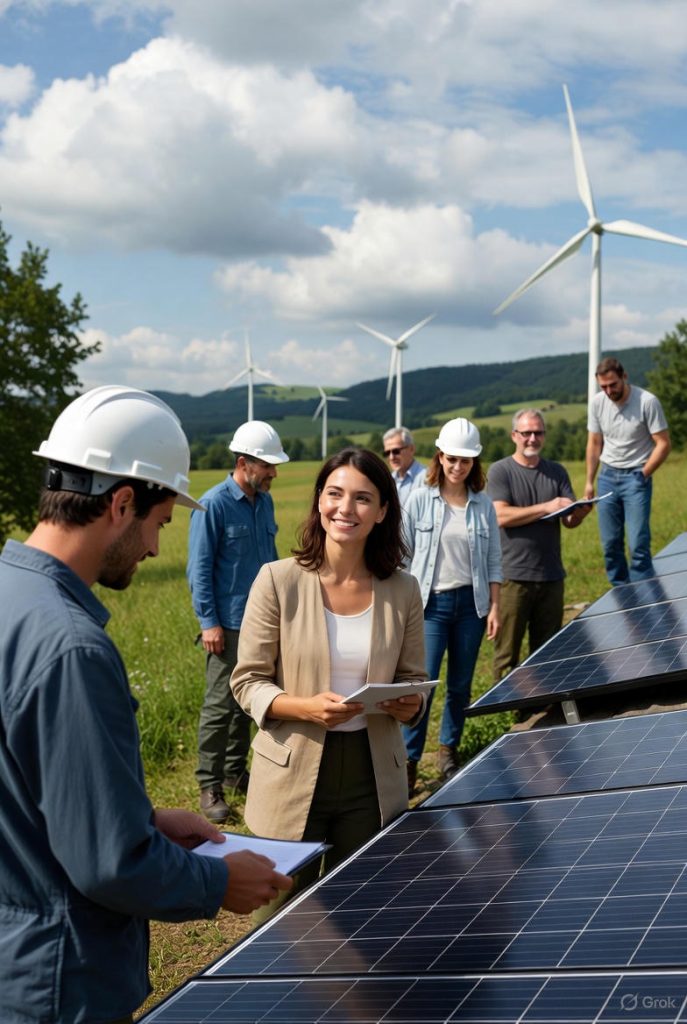
In Latin America, we talk a great deal about energy transition. Solar parks are announced, green credits issued, efficiency programs launched. But if you ask a typical household: has your life changed? The answer is usually "I'm not sure."
That is the heart of the problem: we measure megawatts, but not well-being.
When the transition is felt in the wallet
Energy justice is not an abstract idea. It means a family paying less for electricity without having to turn off the refrigerator. It means rural schools not losing power in the middle of the day. It means women not breathing smoke when they cook.
In short: a transition that is not only green, but just.
For years, governments measured success with technical figures: coverage, installed capacity, clean generation. But having "a connection" does not guarantee quality. A flickering lamp or a polluting stove still marks inequality.
That is why today, institutions ranging from the UN to the European Commission are pushing a new way of measuring: indicators that reflect how energy improves people's lives.
Five signals that actually count Picture a dashboard, like the one in a car. It is not enough for the engine to start; you need to know how much fuel you have, whether the lights work, and whether the air is making you sick.
Energy justice also needs that dashboard. Here are the five indicators that can transform the transition into a human story.
1️⃣ The household energy burden: How much of your income goes toward energy? If a family spends more than 6% on electricity and gas, something is wrong. A just transition should ease that pressure, not increase it. 2️⃣ Service reliability: When the power goes out, there is no justice. Measuring how often outages occur and for how long, then prioritizing the most affected areas, matters as much as inaugurating a new solar plant. 3️⃣ Access with quality: Having electricity is not enough; it must be sufficient, safe, and consistent. Real access means studying at night, keeping food cold, and running a workshop without fear of blackouts. 4️⃣ Local participation and benefits: Energy projects must leave a positive mark: decent jobs, training, the participation of women and local suppliers. Just energy is not imposed; it is built with the community. 5️⃣ Clean air and health: Every reduction in pollution or every smoke-free kitchen saves lives. It is the most tangible co-benefit of a well-executed transition.
How to move from discourse to action An energy justice dashboard could bring together these indicators and show clear progress: pesos saved per month, minutes of electricity restored, schools with stable power, children breathing cleaner air.
That way, budget and investment decisions are not made blindly, but with data that reflects social justice and has a positive impact on people.
Because in the end, energy is not just an economic sector: it is a tool for equity. If it does not improve daily life, comfort, health, the time we gain, or the air we breathe, the transition stalls halfway.
Toward a transition with a human face Mexico has everything it needs to lead this change: data, experience, and will. The only thing missing is connecting the dots and looking at the right dashboard.
A just energy transition does not begin with a large plant, but with the decision to measure what truly matters: how people live, breathe, and thrive.